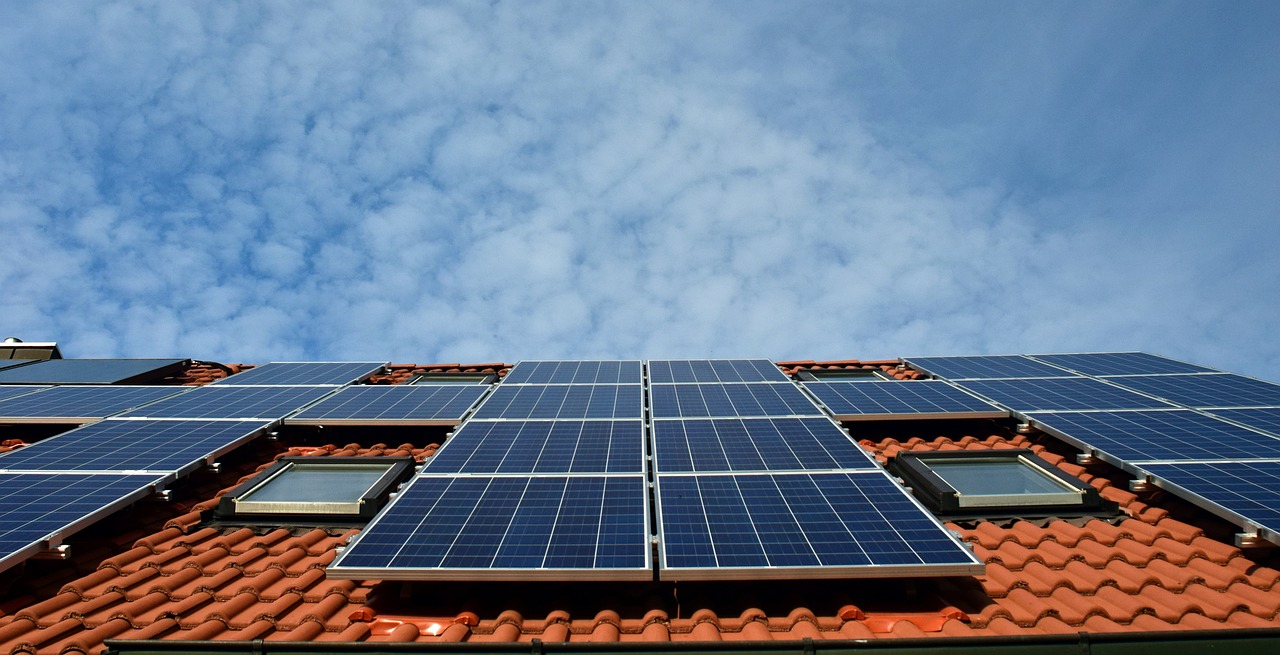
Solar panels, also known as photovoltaic (PV) panels, are devices that convert sunlight into electricity. They are a key technology in renewable energy systems and can be used to generate electricity for residential, commercial, and industrial applications.
Here’s a breakdown of how solar panels work and some considerations when installing them:
How Solar Panels Work
Photovoltaic Effect:
Solar panels consist of semiconductor materials, usually silicon-based, that exhibit the photovoltaic effect. When sunlight (photons) strikes the semiconductor material, it releases electrons, creating an electric current.
Solar Cells:
Solar panels are made up of individual solar cells connected together. Each cell generates a small amount of electricity, and when connected in series and parallel, they produce a usable electrical output.
Inverter:
The direct current (DC) electricity produced by the solar panels is converted into alternating current (AC) by an inverter. AC is the standard form of electricity used in homes and businesses.
Grid-Tied or Off-Grid Systems:
In grid-tied systems, excess electricity generated by the solar panels can be fed back into the electrical grid, and in some cases, homeowners may receive credits for the excess energy. Off-grid systems, on the other hand, are independent of the grid and store excess energy in batteries for later use.
Considerations for Installing Solar Panels:
Location and Sun Exposure:
Solar panels are most effective in areas with ample sunlight. Consider the orientation and tilt of your roof or the installation location to maximize sun exposure throughout the day.
Roof Condition:
Ensure that your roof is in good condition and can support the weight of solar panels. If your roof needs repairs or replacement, it’s advisable to address these issues before installing solar panels.
Permits and Regulations:
Check local regulations and obtain the necessary permits for installing solar panels. Some areas may have restrictions on the size, placement, or appearance of solar installations.
System Size:
Determine the appropriate size of the solar panel system based on your energy needs and available roof space. Factors such as your electricity consumption, roof size, and sunlight exposure play a role in sizing the system.
Incentives and Rebates:
Investigate available incentives, rebates, and tax credits for installing solar panels. Many governments offer financial incentives to encourage the adoption of solar energy.
Maintenance:
Solar panels generally require minimal maintenance, but occasional cleaning and monitoring are advisable to ensure optimal performance.
Cost and Financing:
Consider the upfront cost of installing solar panels and explore financing options, such as loans or leasing arrangements. While there is an initial investment, the long-term savings on electricity bills can offset the cost.
Warranty and Lifespan:
Check the warranty and lifespan of the solar panels. Most panels have a warranty of 20-25 years, and their lifespan can extend beyond that with proper maintenance.
Professional Installation:
Hire a qualified and experienced professional for the installation to ensure safety, compliance with regulations, and optimal system performance.
Solar panels are a sustainable and environmentally friendly way to generate electricity, and their popularity continues to grow as technology advances and costs decrease. When properly installed and maintained, solar panels can provide clean energy and contribute to reducing dependence on traditional fossil fuels.

